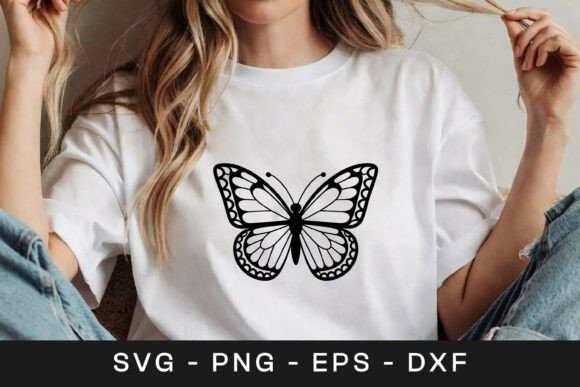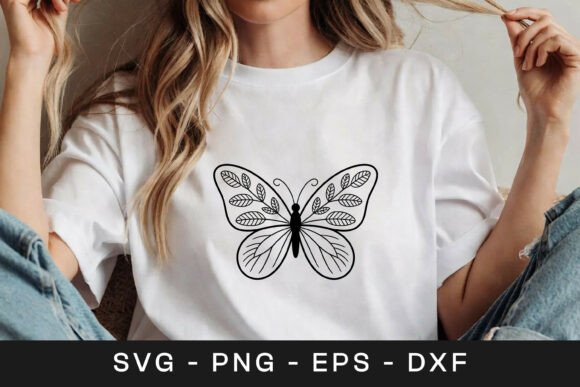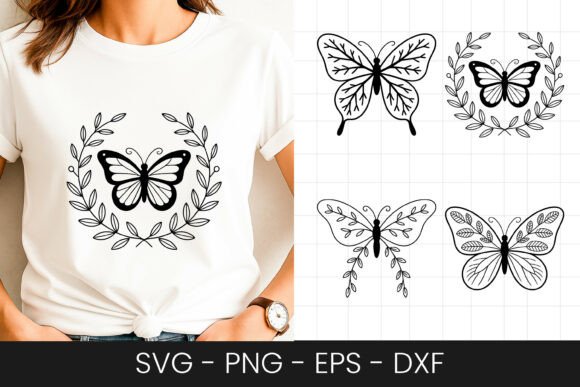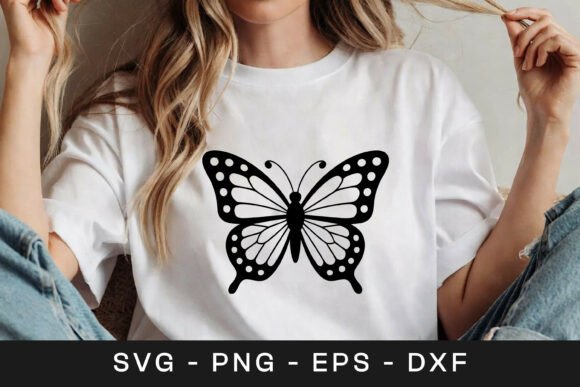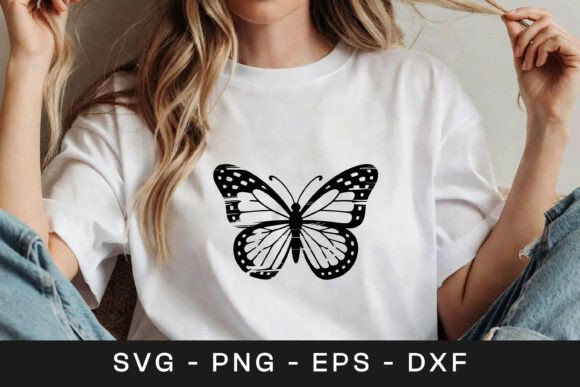
Butterfly Line Art Symmetry SVG PNG
A Quiet, Confident Kind of Beauty
First impression? This isn’t a shout—it’s a soft exhale. The Butterfly Line Art Symmetry SVG PNG lands with quiet elegance: clean contours, balanced wings, and a centered axis that feels intentional, not just decorative. There’s no clutter, no heavy shading—just confident line work that suggests flight without demanding attention. As an embroidery designer who’s stitched hundreds of motifs for real clients, I immediately see its strength: it’s breathable. That matters. On fabric, especially lightweight cotton or linen, this kind of minimalism reads clearly even at 3–4 inches wide—and it won’t drown under dense fill stitches or compete with busy backgrounds.
Where It Lives Best: Real Projects, Not Just Pixels
Last week, I used the Butterfly Line Art Symmetry SVG PNG to embroider a set of organic cotton tea towels for a local boutique. No applique, no satin borders—just a single-layer running stitch outline, 1.8mm width, medium tension. The result? Crisp, graceful, and unmistakably handmade. Customers paused at the display—not because it was flashy, but because it felt considered. That same design translated cleanly to a baby onesie (using tear-away + lightweight cutaway stabilizer), a linen apron pocket, and a small embroidered patch sewn onto a denim tote. In each case, the symmetry held up. The wings didn’t warp on curved seams, and the fine lines stayed legible without bleeding or skipping.
This is where the Butterfly Line Art Symmetry SVG PNG earns its place in your design assets: it’s versatile enough for custom apparel, delicate enough for baby embroidery, and refined enough for holiday embroidery or wedding gifts (think monogrammed handkerchiefs or pillow covers). It also works beautifully as a digital embroidery file for printable mockups—its clean edges render sharply in both light and dark fabric previews, which helps Etsy sellers and small shop owners build trust fast.
Where to Pause—and Test First
Don’t assume it’s foolproof everywhere. On highly textured fabrics like bouclé or thick terry cloth, those slender wingtips can blur or snag mid-stitch. I tested it on a ribbed cotton sweatshirt—fine at 4.5" width, but below 3", the inner curve near the body lost definition. Similarly, on stretchy knits (like jersey tees), skip direct hooping. Use a firm cutaway stabilizer *beneath* and a light topping—otherwise, the line tension pulls unevenly, and symmetry breaks.
Dark fabric demands extra attention too. A black thread on charcoal linen? Elegant. But on deep navy velour? You’ll lose subtlety unless you add a subtle satin stitch border—or better yet, convert the line art into a light-outline + soft-fill hybrid before digitizing. And cap embroidery? Proceed carefully. The center axis aligns well over a flat front panel, but avoid placing it too high on the crown—curvature distorts fine symmetry faster than you’d expect.
What Your Customers Actually Notice
- Visual appeal: It reads as intentional, not generic—boosting perceived value of your handmade product.
- Stitching clarity: Clean lines mean fewer thread breaks and smoother machine runs, especially on older embroidery units.
- Giftability: Its gentle theme fits baby showers, teacher appreciation, nature lovers, and mindful gifting—no seasonal expiration date.
- Brand consistency: If your craft business leans into calm, botanical, or minimalist aesthetics, this reinforces that voice across tote bag design, sweatshirt embroidery, and digital listings.
Practical Notes Every Embroidery Designer Should Keep Handy
Before stitching your first finished product, do these five things:
- Test on scrap fabric—same type, same stabilizer, same thread colors you plan to use. Watch how wingtips behave on your machine’s slowest speed.
- Review stitch density if converting to fill or satin stitch. The original line art has none—but adding fill changes everything. Overfill = stiff, bulky results on lightweight items.
- Confirm hoop size compatibility. Even simple line art can exceed standard 4x4 hoops when scaled for large pillow cover placements.
- Inspect small details in your embroidery software: are anchor points smooth? Are curves simplified enough to prevent stuttering on low-end machines?
- Check licensing. Since this is listed as a Graphics product in Crafts, verify whether commercial use (e.g., selling embroidered patches or digital embroidery files) is permitted—don’t assume.
Also: try it in black-and-white mockups. Does it hold presence on cream? On charcoal? Does it vanish against heather grey? That contrast check alone saves hours of rework. And if you’re building a cohesive collection—say, a set of nursery decor pieces—this butterfly pairs effortlessly with simple leaf motifs or subtle geometric frames. It doesn’t dominate; it harmonizes.
Final Thought: Less Is Anchored, Not Empty
The Butterfly Line Art Symmetry SVG PNG succeeds because it respects fabric, machine, and maker. It doesn’t ask for special treatment—just thoughtful placement. It’s not the loudest design in your library, but it’s often the one that sells first on Etsy, gets the most compliments at craft fairs, and becomes the signature detail customers remember on their personalized gift. For small business owners stitching custom apparel or curating small shop product lines, that quiet resonance is worth more than flash. It’s the difference between decoration—and meaning, stitched.